Blackout, dimout or light filtering blinds for bedrooms
Choosing the right blind for your bedroom window
Bedroom blinds serve more than one purpose. They control how much daylight enters the room, they offer a degree of privacy from outside, and they affect the overall feel of the space. The choice often comes down to three main types: blackout blinds, dimout blinds, and light filtering blinds. Each handles light and privacy differently, and the right pick depends on your window orientation, your sleeping habits, and how much seclusion you want from the street or neighbouring properties.
Before looking at the differences, it helps to understand what each type does. Blackout blinds are designed to block almost all external light. They use a dense fabric with a special lining that stops light passing through. Dimout blinds reduce light significantly but let some through, creating a softer, muted glow. Light filtering blinds allow a gentle diffusion of daylight while still reducing glare and providing daytime privacy. The level of privacy each offers can vary, especially depending on the time of day and the lighting conditions outside.
Blackout blinds: maximum darkness and privacy
If your bedroom faces east and you wake with the sun at 5am in summer, blackout blinds are the obvious choice. The same applies if you work night shifts and need to sleep during the day. Blackout blinds typically have a thick coating or a separate layer of blackout lining bonded to the fabric. This lining stops light from passing through the material and also helps reduce the amount of light that leaks around the edges, especially if the blind is fitted inside the window recess with side channels or a pelmet.
From a privacy standpoint, blackout blinds are hard to beat. When they are lowered, no one outside can see into the room, even with a bright light on inside. This makes them ideal for ground floor bedrooms or rooms that face a busy street. The dense fabric also provides some thermal insulation, keeping the room cooler in summer and warmer in winter. However, blackout blinds can make a room feel quite dark during the day, which is not always what you want if you prefer a naturally lit space when you are awake.
One thing to watch for with blackout blinds is the way they fit. A standard roller or Roman blind without side channels may still let slivers of light through the gaps. If total darkness is essential, you might need a more tailored fit or a cassette system that encloses the blind. For most people, though, a well-fitted blackout blind inside the recess does the job well enough.
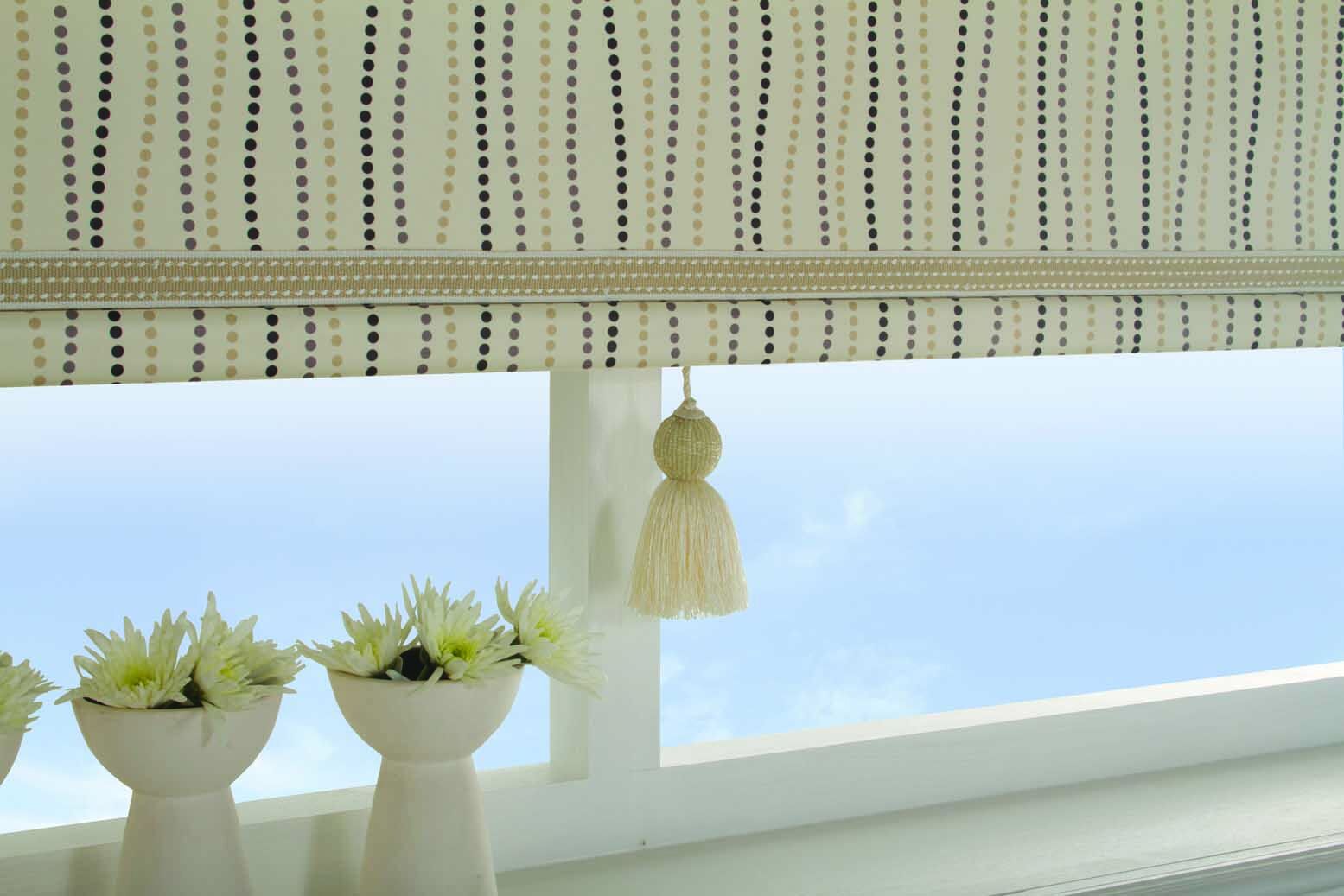
Dimout blinds: a middle ground between light and dark
Dimout blinds are sometimes called semi-blackout or room-darkening blinds. They use a fabric that is heavier than a standard light filtering material but not as dense as a true blackout lining. The result is a noticeable reduction in light without complete blackness. A dimout blind might block around 70 to 80 percent of daylight, depending on the weave and colour of the fabric.
For bedrooms where you want to sleep in a little later on weekends but still enjoy some natural light during the day, dimout blinds offer a good compromise. They cut the worst of the morning glare without turning the room into a cave. Privacy levels are generally good, though not as absolute as with blackout blinds. When the room is lit at night, the fabric may show a soft silhouette of movement, but it is unlikely that details would be visible from outside. If the window faces a quiet garden or an upper floor where overlooking is less of an issue, dimout blinds often provide enough seclusion.
Dimout blinds are also a popular choice for bedrooms that double as a home office or a dressing area. They soften the incoming light enough to reduce screen glare without needing to switch on a lamp during the day. The fabric tends to feel less heavy than blackout material, so the blind rolls or folds more neatly and takes up less space when raised.
Light filtering blinds: daytime privacy with a soft glow
Light filtering blinds are the lightest of the three options. They are made from fabrics that scatter incoming daylight, reducing harsh shadows and direct sunlight. These blinds are often chosen for rooms where you want a bright, airy feel while still having some privacy from the outside. In a bedroom, they work well if the window faces north or is shaded by a tree or a neighbouring building, where direct sunlight is not a problem.
Privacy with light filtering blinds depends heavily on the time of day. During daylight hours, when the room is brighter than the outside, the fabric acts like a one-way mirror: people outside see mostly their own reflection and not much of the interior. At night, the reverse happens. If the room lights are on and the blinds are down, the view from outside becomes clearer. For ground floor bedrooms or windows close to a footpath, this means you may need to pair light filtering blinds with curtains or a separate privacy liner if you want to keep the room lit after dark without being overlooked.
Light filtering blinds are also effective at controlling solar glare. They soften the light that hits a computer screen or a television, which can be useful if you use your bedroom for work or relaxation during the day. They do not block heat as effectively as blackout options, but the fabric still provides some insulation.
How window orientation affects your choice
Where your bedroom window faces matters a lot when deciding between these types. South-facing windows get the most direct sunlight throughout the day. In summer, the heat and glare can be intense, so blackout or dimout blinds are often the better choice. West-facing windows catch the afternoon and evening sun, which can make a bedroom uncomfortably warm before bedtime. East-facing windows bring strong morning light, which wakes many people earlier than they would like.

North-facing windows receive the least direct sunlight. Light filtering blinds often work perfectly here, providing a soft natural light without the need for heavy blackout fabric. If the window is on an upper floor and not overlooked by neighbours, privacy is less of a concern, so you can prioritise light quality over total seclusion.
Ground floor bedrooms are a different story. A window at pavement level or near a shared garden means that passers-by or neighbours can see straight in. Here, privacy is the main driver. Blackout blinds give the most reassurance, but a well-chosen dimout blind can also work if you are comfortable with a slight reduction in privacy at night. Some homeowners choose to fit light filtering blinds and then draw curtains after dark, which gives you daytime brightness and evening privacy without committing to a heavy blind.
Combining blinds for flexibility
You do not have to pick just one type. Many bedrooms benefit from layering. A light filtering roller blind fitted close to the glass, with a blackout Roman blind or heavy curtains over the top, gives you control over both light and privacy at different times of day. During the day, you can raise the outer layer and let the light filtering blind do its job. At night, you drop the blackout layer for full darkness and privacy. This approach is especially useful in rooms that serve multiple functions, such as a child's bedroom that also acts as a playroom.
Another option is to use a blackout blind with a light filtering fabric that has a blackout lining on the reverse. Some made-to-measure blinds offer a choice of linings, so you can get the look you want with the performance you need. If you are ordering from a specialist like Peak Blinds, you can discuss the options for your specific window and get advice on which lining suits your room best.
When considering window blinds for better privacy, it is worth thinking about the whole picture: the window size, the direction it faces, the time of day you use the room, and whether you need total darkness or just a reduction in glare. There is no single right answer for every bedroom. The best choice balances your need for privacy with your preference for natural light.
Practical tips for fitting and maintenance
Whichever type you choose, the way the blind is fitted affects how well it works. A blind mounted inside the window recess leaves less gap around the edges, which improves light blockage and privacy. Outside recess fitting, where the blind covers the whole window frame, can also reduce light leakage but needs careful measuring to avoid gaps at the sides.
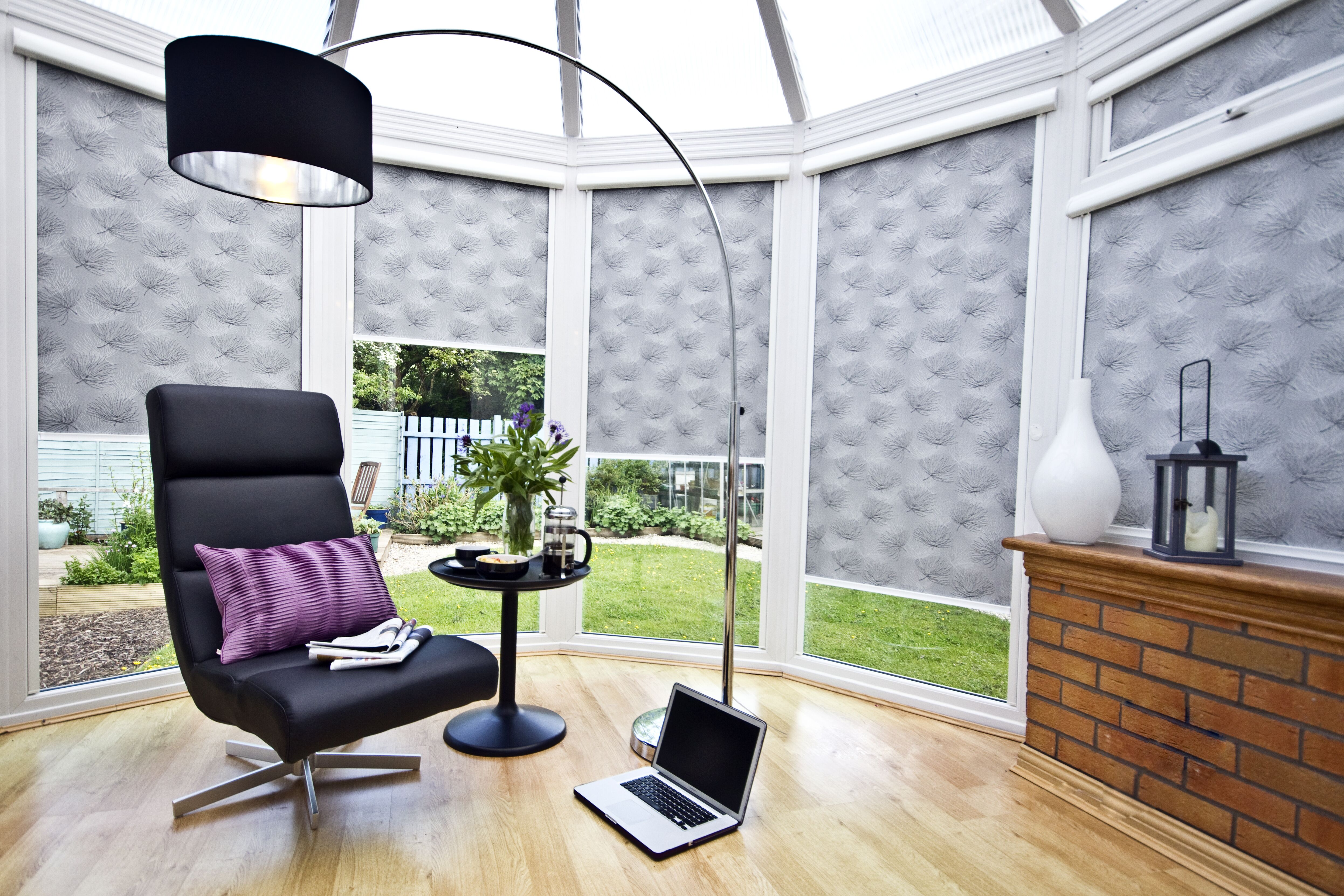
For blackout blinds, look for features like side channels or a bottom bar with a magnetic seal that holds the fabric against the window sill. These extras make a real difference if you are sensitive to the smallest sliver of light. Dimout and light filtering blinds are less demanding in terms of fit, but a snug fit still helps keep solar glare under control and prevents the fabric from flapping in a breeze.
Cleaning is straightforward for most types. A gentle vacuum with a brush attachment or a wipe with a damp cloth is usually enough. Avoid soaking the fabric or using harsh detergents, as these can damage the lining over time. For blackout blinds with a special coating, check the manufacturer's care instructions before cleaning.
If you are looking for window blinds for better privacy in your bedroom, the key is to match the blind's performance to your daily routine. Blackout blinds give you the most control over light and the highest privacy level, especially at night. Dimout blinds offer a practical middle path, cutting glare without losing all daylight. Light filtering blinds keep the room bright and airy while providing daytime privacy, though you may need to pair them with another layer after dark. By thinking about your window orientation, your sleeping patterns, and how much seclusion you really need, you can pick a blind that makes your bedroom a more comfortable and private space.